
Top-Rated Asphalt Sealings Materials For Enhanced Surface Preservation
Select from leading asphalt sealing compounds designed to safeguard surfaces against wear and weathering.
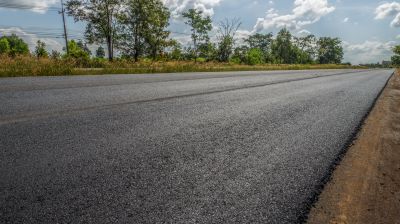 Proper asphalt sealing is essential for maintaining the durability and appearance of driveways, parking lots, and other paved surfaces. Selecting the right products for asphalt sealing can help protect surfaces from water penetration, UV damage, and the effects of regular wear and tear. These products typically include sealants, crack fillers, and surface prep materials, each designed to serve a specific purpose in the sealing process.
Top Overall Option
Premium Asphalt Sealant
A versatile, high-performance asphalt sealant designed for durability and ease of application. Suitable for various surface types, it provides a protective layer that helps resist water, UV rays, and surface wear. Its user-friendly formulation makes it a popular choice for both professional contractors and DIY enthusiasts seeking reliable results.
Types of Products For Asphalt Sealings
Liquid Asphalt Sealant
A common choice for sealing large surfaces, offering a smooth, protective coating that bonds well to asphalt.
Coal Tar Sealant
Known for its strong protective qualities, often used in high-traffic areas for added durability.
Acrylic Sealant
Provides a flexible, UV-resistant coating suitable for various climates and surface conditions.
Crack Filler
Specialized products designed to fill and seal cracks, preventing water infiltration and further damage.
Patch Repair Compound
Used for filling potholes and surface imperfections before sealing.
Emulsified Sealers
Water-based sealers that are easy to apply and clean up, ideal for small to medium projects.
Polyurethane Sealant
Offers a highly elastic coating that resists cracking and weathering over time.
Asphalt Emulsion
A mix of asphalt and water, suitable for surface preparation and priming.
Surface Cleaners
Products designed to remove dirt, oil, and debris before sealing for optimal adhesion.
Sealer Applicators
Tools such as spray systems, brushes, or squeegees to facilitate even application.
Seal Coat Spray Systems
Equipment for large-scale, uniform application of sealants over extensive surfaces.
Pothole Patching Material
Pre-mixed compounds formulated for quick and effective pothole repairs.
Surface Prep Solutions
Products that prepare the asphalt surface for sealing, ensuring better adhesion.
Line Marking Paints
Used for marking parking spaces and traffic lanes after sealing.
Popular Choices
Widely used for residential driveways and commercial lots, appreciated for its ease of application.
A durable option favored for high-traffic surfaces, providing strong water resistance.
Popular for its flexibility and UV resistance, suitable for various climate conditions.
Commonly used to prevent water ingress and extend the life of asphalt surfaces.
A go-to product for quick repairs and surface restoration.
Preferred for their user-friendly application and quick drying times.
Chosen for its elasticity and weather resistance, especially in fluctuating temperatures.
Essential for preparing surfaces to ensure optimal sealing results.
Popular equipment for achieving uniform coverage over large areas.
Effective for repairing surface damage before sealing.
Help ensure proper adhesion and long-lasting results.
Used for marking parking spaces and traffic lanes after sealing.
When considering asphalt sealing products, it's important to evaluate the type of surface, the climate conditions, and the level of traffic the area experiences. Sealants come in various formulations, including acrylic, coal tar, and asphalt-based options, each with different application methods and longevity expectations. Proper surface preparation, such as cleaning and crack filling, enhances the effectiveness of the sealant and extends the lifespan of the pavement.
In Winston Salem, North Carolina, local climate factors like humidity and seasonal temperature fluctuations can influence the choice of sealing products. Selecting high-quality, compatible products ensures a more uniform application and better adhesion, resulting in a more resilient surface. Regular maintenance with suitable sealing products can help preserve the integrity of asphalt surfaces and reduce long-term repair costs.
For those undertaking sealing projects, understanding the variety of available products—from liquid sealants to patching compounds—is key. Using the right combination of products tailored to specific needs can improve results and ensure a professional finish. Whether sealing a residential driveway or a commercial parking lot, choosing the appropriate products is a vital step toward long-lasting asphalt surfaces.
Key Buying Considerations
- Determine the specific surface type and select products compatible with asphalt surfaces.
- Assess the climate and seasonal conditions in Winston Salem to choose appropriate formulations.
- Decide between solvent-based and water-based sealers based on application preferences and cleanup ease.
- Consider the level of traffic the area endures to select the appropriate durability level.
- Evaluate the drying and curing times to plan project timelines effectively.
- Check for product compatibility with existing sealants or repairs already in place.
- Review application methods—spray, brush, or squeegee—to match your skill level and project size.
- Ensure surface preparation products are available for cleaning and crack filling before sealing.
- Look for products with good coverage rates to maximize efficiency and cost-effectiveness.
- Consider environmental factors such as UV exposure and moisture to select suitable protective coatings.
- Evaluate the ease of application and whether professional equipment is needed or available.
- Review safety instructions and handling requirements for the selected products.
- Check for long-term performance data or user feedback to gauge product reliability.
- Verify product shelf life and storage requirements to maintain effectiveness over time.